Energy, Lithuania, Markets and Companies, Transport
International Internet Magazine. Baltic States news & analytics
Thursday, 18.06.2026, 09:54
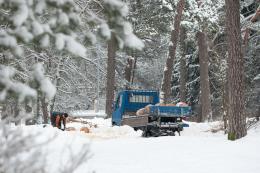
Lithuania maximising use of logging waste for biofuel production
 Print version
 |
|---|
According to available research data, such an amount of this waste can be taken from Lithuanian forests without damage to their ecosystems. Once the government has approved this programme, specific programme implementation measures will be planned for both state and private forests, reports LETA/ELTA.
Some 82% of total biomass is accumulated in forests, which occupy one-third of the territory of Lithuania. Wood – firewood, waste from the wood processing industry and logging waste – accounts for the bulk of biomass used in biofuel production. Small trees and shrubs growing on roadsides and on the sides of drainage ditches as well as wood generated during thinning can be used more effectively in biofuel production as well.
Wood fuel resources can be increased by growing energy plantations, i.e. fast-growing trees or shrubs. Support for growing them is provided by the European Agricultural Fund for Rural Development under the Rural Development Programme for Lithuania 2007-2013. Although there are not many such plantations, their areas are expanding every year. Tangible benefits from energy plantations can be derived in at least several years or even a decade, depending on the type of plants planted.
Developing the use of biofuels, it is very important to maintain a balance between the amount of firewood or other wood used for biofuels that can be grown and used without any damage to other ecosystems and the development of boilers using wood-based biofuels. It is particularly important to take this into account when allocating support. Therefore, the Ministry of Environment will be actively involved in the coordination of these processes in order to prevent damage to forests, the greatest wealth of, and other ecosystems from occurring while trying to maximise the use of biofuels.









 «The Baltic Course» Is Sold and Stays in Business!