Analytics, Direct Speech, Economics, EU – Baltic States, Financial Services, Latvia
International Internet Magazine. Baltic States news & analytics
Friday, 03.04.2026, 10:45
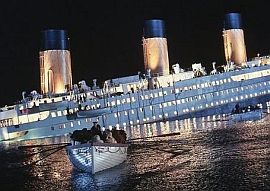
Swedbank: euro is neither a magic wand, nor a ticket to the "Titanic"
 Print version
 |
|---|
However, the euro should not be viewed as a "ticket to the Titanic" either. "The euro is an instrument – if used well, it will bring a number of advantages," said the economist.
Commenting on Latvia's ability to meet the Maastricht criteria in order to introduce the euro, Strasuna says that a year ago, inflation and budget deficit were the greatest problems, but now Latvia has a good chance of meeting these respective criteria. Currently the main question is about meeting the interest rate criterion, writes LETA.
"Thanks to economic development, the budget situation is improving, budget revenue is exceeding the anticipated figures, and Latvia will have no problems to keep budget deficit at around 2 percent of gross domestic product. Inflation is also reducing," notes the economist. "Of course, meeting the criteria is largely a guessing game, because the situation will greatly depend on the other countries. Now, however, it seems that everything will be all right," says Strasuna.
Latvia has been unable to observe the Maastricht criterion of long-term interest rates for a month or two now, because this criterion depends on the other member states.
In Strasuna's opinion, Latvia must continue with what it is doing – reduce the budget deficit. Government debt still remains comparatively small, whereas long-term interest rates will continue to decrease, although Latvia's situation will depend on what countries it is compared to.
Asked to comment on risks threatening Latvia's ability to observe the Maastricht criteria, Strasuna says that these risks are mostly posed by external processes, not developments within the country.
For instance, if global commodity prices are increasing rapidly, this will affect Latvia more than the other EU countries, the same goes for food products. If inflation in the other EU member states is lower than in Latvia, meeting the inflation criterion may also be very hard for Latvia, explains Strasuna.
Meeting the budget deficit criterion will be threatened if global economic development slows down significantly. "If the economic development in our partner countries comes to a halt, or if they slide into a recession, Latvia's companies and households will be affected, tax revenue will fall and the budget situation will worsen," adds Strasuna.







 «The Baltic Course» Is Sold and Stays in Business!