Financial Services, Latvia, Legislation, Markets and Companies, Taxation
International Internet Magazine. Baltic States news & analytics
Tuesday, 09.06.2026, 06:37
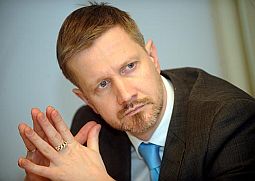
Endzins: backing down from promise to reduce personal income tax rate unacceptable in Latvia
 Print version
 |
|---|
Endzins is puzzled about some ministers' statements to the mass media, which clearly contradict documents that the government has signed, informs LETA.
According to the tax policy strategy for 2011-2014, the government resolves to reduce the personal income tax rate by 5% until 2015. This year, the personal income tax rate was reduced from 25% to 24%. The government also plans to reduce the personal income tax rate to 22% in 2014 and 20% in 2015.
The National Economy Council, which is made up by representatives from the Economy Ministry, the Latvian Chamber of Commerce and Industry, the Latvian Association of Local and Regional Governments, the Free Trade Union Confederation of Latvia, the Latvian Employers' Confederation, other associations and independent experts, decided on April 10 that the personal income tax rate should be reduced in accordance with the schedule set in the respective regulations.
Endzins explains that, when ministry representatives or ministers come up with statements contradicting the government's agreements with organizations representing businessmen, not only he, but all entrepreneurs begin to doubt their trust in Latvia's leading politicians and their policies.
As reported, Welfare Minister Ilze Vinkele (Unity) said in an interview with Latvian State Radio on May 22 that reducing personal income tax two percentage points next year is debatable, because it would mostly favor those who receive high salaries. The "absolute priority" of Vinkele and Finance Minister Andris Vilks (Unity) will be increasing non-taxable minimum income and tax breaks for dependants, because these are the instruments that could reduce poverty and inequality in Latvia, said Vinkele.








 «The Baltic Course» Is Sold and Stays in Business!