Estonia, Law and Regulations, Legislation
International Internet Magazine. Baltic States news & analytics
Tuesday, 09.06.2026, 06:54
President of Estonia did not proclaim the changes in the Penal Code
 Print version
 |
|---|
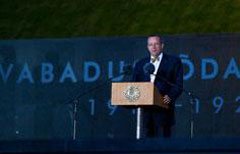
President Ilves did not proclaim the law amending the Penal Code, the Public Service Act, the Alien's Act, the Citizenship Act, the Local Government Council Elections Act and the Criminal Procedure Code that was adopted in Riigikogu on June 15.
The President did not agree with the provision that would allow plea bargain settlements in cases of murder, extortion, terrorism and other grave criminal offences.
"Plea bargaining where prosecutors and defenders agree on the punishment without judicial investigation of evidence, might facilitate the work of the prosecutor's office in collecting evidence and decrease the workload of the courts, but it will diminish the meaning of judicial administration of justice, particularly in cases of grave offences, be those directed against the State or a particular person," he commented.
Ilves also did not agree with the legislative amendment that will threaten those organising demonstrations with conviction for the crimes against the State. "Individuals need to be guaranteed their Constitutional right to organise peaceful meetings and organisers do not have to bear the responsibility for possible acts that others commit," he said.
Thirdly, the head of State also contested the legislative amendments that would automatically strip the Estonian citizenship acquired through naturalisation even in cases where persons are convicted for crimes that do not threaten the stability and security of the State. "Taking a person's citizenship for exceeding, for example, the limits of freedom of artists in handling the Estonian flag or the Estonian anthem, is not appropriate nor necessary in a democratic country with the Rule of Law," said Ilves.
He also contested the legislative amendment that concerned dissemination of false data damaging the Republic of Estonia, if it involved a threat to public order. "This is an unacceptable limitation of the freedom of science and freedom of expression," commented the head of State. Ilves added that a democratic State does not need to guarantee the so-called official and only historic truth with the force of law.








 «The Baltic Course» Is Sold and Stays in Business!