Direct Speech, Energy, Interview, Latvia, The Baltic Course No. 27
International Internet Magazine. Baltic States news & analytics
Tuesday, 09.06.2026, 07:14
Environment-friendly fuel
 Print version
 |
|---|
BC: How we will cover the electricity shortage following the shutdown of the nuclear power plant in 2009?
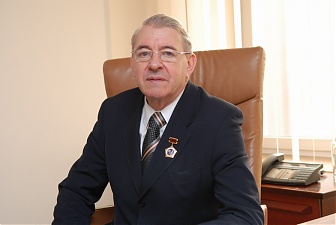
Adrians Davis: Let’s start with the first letter of intent that Latvia, Lithuania and Estonia signed in 2006 concerning the energy industry. I am glad that the three Baltic states have finally been able to sit down at the table and think about their electric power supply in future. I, as an expert, welcome this initiative. As far as I know, the European Union also approves it. Currently it is the largest pan-Baltic project and sets an example of cooperation. It is a very good start.
Only it is not clear why Lithuania suddenly circumvented the letter of intent and invited to the negotiations about construction of a new nuclear power plant Poland, which demands an unreasonably large share in the project. For this reason I believe that what started so well will require a long time to reach an agreement on joint use of the new nuclear power plant. As we know, Estonia has already stepped aside and is even thinking about building own nuclear power plant.
As to Lithuania, it will suffer the biggest damage to the national electric power supply after the shut-down of the Ignalina Nuclear Power Plant. But negotiations are underway about linking the Lithuanian and Polish electric power grids which might be used for electric power transmission when the new nuclear power plant is built.
BC: Nevertheless, what can actually be done in the remaining two years before the closure of the Ignalina plant?
A. D.: Lithuania has Belarus, Ukraine and Russia as it neighbors and might make arrangements with them about electric power supply. Technically it is possible. It should be noted that even Latvia receives a large part of the Russian through Estonia and another part of natural gas through Lithuania and Belarus. A joint energy system involving both electric power and natural gas was developed already in the Soviet time and enables Lithuania to receive electricity from both Belarus and Ukraine. In addition, electric power can be supplied from Poland.
Yet, the electric power consumption is growing, and every country understands that it might face an electricity deficit in future.
BC: Do the Baltic states need the new nuclear power plant which is to be built by 2015? What scenario do you see for development of the power-generating capacities in Latvia and the neighboring countries? What would be the role of gas as a fuel in this scenario?
A. D.: There are several long-term projects, such as construction of nuclear power plants. I would like to point out that the new nuclear power plant in Lithuania so far is just an idea. I have great doubts about whether this project will actually be implemented.
Latvia needs additional electric power already today. But one has to understand that electric power and natural gas tariffs will soon reach the European level. It also has to be taken into account that during the peak consumption times it might be impossible to receive the required amount of electricity from external sources.
Latvia needs to think more about itself, not the future situation of its neighbors. Our electricity deficit is not that large — 400 MW but may reach 700 MW in future. We can cover that with much less costs than involved in participation in the nuclear power pant project which, even considering the huge financing, will be built not earlier than in 2020.
If we want to have stable electric power supply, similar to the natural gas supply ensured by the underground storage facilities, we have to build urgently the third gas-fueled thermal power unit that would generate additional 20 MW of thermal power and up to 400 MW of electricity for Riga.
BC: How realistic is the construction of a gas-fueled power plant in Latvia under the project proposed by Itera Latvija?
A. D.: Already at the beginning of the 1980s along with construction of the Ignalina Nuclear Power Plant it was planned to build a gas-fueled power plant with 3000 MW capacity near a prospective natural gas underground storage facility in the Dobele area in central Latvia. About 10-12 years ago or maybe a little earlier the technical designs of the plant were produced. As far as I remember, there even were negotiations with the Latvian state-owned electric power company Latvenergo over establishment of a connection. Thus, the idea about building a large gas-fueled electric power plan is nothing new.
The construction of the third power unit in Latvia which will be fueled by natural gas is planned by Itera Latvija, which intends to bring into the project Latvenergo and the Russian natural gas group Gazprom. The project is expected to have a number of shareholders, possibly including Germany’s E.ON Ruhrgas. The best option could be the cooperation between Itera Latvija, Gazprom and Latvenergo where each party would hold an equal share in the project.
BC: How long would it take to build the new power unit and what would it cost?
A. D.: The demand for gas-fueled power plants is very high in Europe and the world, therefore the prices for construction of such facilities have increased by 30%. The approximate cost of the Itera Latvija could be LVL 260-280 million (over USD 500 million).
Considering the current situation on the energy market, the construction should not be put off. Even if we manage to sign the agreement about the delivery and turn-key assembly of the plant by the end of 2007, the gas-fueled power unit will be put into operation only in 2011.
A gas-fueled power unit has the following advantages. Firstly, the entire infrastructure for delivery of natural gas to consumers in Latvia is in place and will not require any additional costs. Secondly, due to underground storage facilities in Incukalns, the power unit will be supplied with the required amounts of natural gas without any interruptions.
I would like to underline that it is my personal opinion that only Itera Latvija can implement this project. The main argument in favor of this company is its participation in Latvijas Gaze, which is very important.
BC: How is this idea perceived by Russia, the natural gas supplier, which is currently implementing a project for building an underwater gas pipeline to Germany through the Baltic Sea?
A. D.: The possibility of building the new power unit, which will be running on gas, were discussed during the visit of Latvian Prime Minister Aigars Kalvitis to Moscow in March 2007 for the signing of the Latvian-Russian border treaty. Gazprom Board Chairman Alexei Miller approved of the project and assured us that the required additional amounts of natural gas will be delivered to Latvia.
BC: Please, tell as about the new projects for use of natural gas storage facilities in Incukalns and Dobele. Has the possibility of using them for storage of natural gas as part of the Nord Stream project been considered?
A. D.: Nord Stream is a major project that would be able to ensure greater stability of Russian natural gas deliveries to Europe which has been undermined by numerous disputes with Ukraine and Belarus. I think that an absolutely independent Russian-German project has simply hit the bull’s eye.
As to further increase of natural gas deliveries to Europe, in particular during the winter season, Latvia has technical capacities for using gas storage facilities, first of all those in Dobele. And it is very important. If there were no such storage facilities, there would be nothing for politicians to discuss.
Currently both Gazprom and the project developer have the information about this option. I think that the actual use of natural gas storage facilities in Latvia in the Nord Stream project is a question for near future that can be asked once the Russian-German gas pipeline is put into operation.
BC: Negotiations are underway with Gazprom about natural gas prices in 2008, and a significant price increase is expected. What determines the gas supply tariffs?
A. D.: It should be taken into account that for many years Gazprom has shown understanding in respect of all the Baltic states concerning modernization of natural gas companies, improvements to their safety and gas supply systems in general, which requires quite large investments. This cannot be done in a year or two, such efforts will take much longer time. Gazprom bears in mind that the natural gas supply system in the Baltic states is obsolete and needs to upgraded and repaired, equipment has to be replaced, etc. Due to the fact that Gazprom is a strategic shareholder in Latvia, Lithuanian and Estonian gas companies, annual gas supply prices have been lower than the average European price for years. Prices were being raised very slowly. According to a preliminary agreement, all the Baltic states will be supplied natural gas at European prices, starting from 2008.
Considering that fuel oil prices have increased steeply on energy resources market (and the natural gas price is pegged to fuel oil price), it is possible that the gas purchase price in 2008 will grow by 30-40% as compared to 2007. It should be said that in 1996-1998 fuel oil cost about USD 40 per ton, but today the price is over USD 400 per ton. Also, oil cost USD 9 per barrel in 1998 but today the price is nearly USD 90.
BC: How can growth of natural gas tariffs affect the operations of Latvijas Gaze, gas consumers and the national economy in general?
A. D.: To ensure continuous and steady supply of natural gas, electricity and other energy sources, certain financial criteria have been established in the national laws for the energy companies across the world.
Imagine what would happen in winter if Latvijas Gaze failed to supply gas to come thermal power plants (TEC-1 or TEC-2). This would inflict huge financial loss on the nation in general. It means that the Latvian natural gas supply system and the Incukalns gas storage facility in particular have to run like clockwork — without any breaks. To ensure this, huge amounts need to be invested in the gas supply system regularly every year.
After privatization in 1997 Latvijas Gaze was finally able to start solving the issues vital for the Latvian economy. To date about LVL 150 million have been invested in the natural gas supply system of the country. Without this investment, the gas supply in Latvia might have been under question. As an example, one can mention a very unpleasant gas pipeline accident, which happened near the Valmiera town in north-eastern Latvia, and caused great emotional turmoil among the public. We simply have not right to permit such accidents.
In view of the above mentioned, it is out of question to speak about any freezing and not raising of the natural gas tariffs, disregarding the actual situation on the fuel market. Latvijas Gaze, like all other natural gas companies, has to target the generally accepted profit standard at 10-15% of the net turnover.
BC: Today the Latvian-Russian relations are getting back to normal. How important is it for the Latvian economy to develop this positive trend?
A. D.: It is possible that someone may find improved relations with Russia insignificant but in that case those people... simply do not know anything about the politics and especially the economics! Of course, the Latvian GDP is growing quite fast and we are a part of the EU area but it would be stupid to give up a partner like Russia with its vast sales market and economic potential. It is my personal opinion that, if we completely got rid of all the problems that currently exist in the relations between Riga and Moscow, Latvia would indeed become a transit bridge linking Russia and the EU.
BC: What are the global issues in which the Baltic states should cooperate or, on the contrary, to keep competing with each other?
A. D.: History itself created a situation where all three Baltic states have a join natural gas and electric power supply system. We are linked by both electric power grids and gas pipelines. There are also storage facilities that can be used by all three countries. I think there is no doubt that we should cooperate in issues concerning railway transit and distribution of certain types of cargos among the Baltic ports.
As to competition, I would like to recall the time 20-30 years ago when Latvians, Estonians and Lithuanians often visited each other as tourists. Today we try to fly to more distant places and have forgotten that there are excellent recreation sites close by that are suitable for tourism development. This is the field in which we can and should compete among ourselves. Other potential fields for competition are agriculture, construction industry and manufacturing. After all, it is competition that drives the economy and progress.
BC: What is the advantage of gas fuel over other electric power sources?
A. D.: Natural gas is the most environment-friendly of all fuel resources.
Latvijas Gaze transports, stores, distributes and sales natural gas. Last year the company showed a profit of LVL 21 million on a turnover of LVL 182 million. The largest shareholders of the company are Germany’s E.ON Ruhrgas Internetional, Russia’s Gazprom and Latvia’s ITERA Latvija. |
Professor Janis Stradins, a fragment from the book Natural Gas in Latvia. 140 Years“Historians are unable to reach a consensus about etymology of the word ‘gas’ — whether it developed from the Greek word chaos (chaos) or the Dutch word ghoast (spirit). But there is no dispute about gas fuel having been a major civilization factor in Europe since the end of the 18th century. It should be noted that the beginning of gas fuel production in Riga (1862) coincided with establishment of the Riga Technical University. After all the gas industry is closely linked with the work by engineers, chemists and heat engineers, with development of the utility policies and the economy, with adoption of the progressive world ideas.” |









 «The Baltic Course» Is Sold and Stays in Business!