Analytics, EU – Baltic States, Financial Services, Latvia, Legislation, Loan
International Internet Magazine. Baltic States news & analytics
Tuesday, 09.06.2026, 12:07
Latvia’s PM: living on credit does not pay off
 Print version
 |
|---|
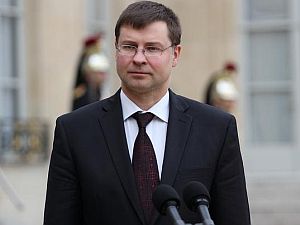
It is important that Latvia stays on this same course in coming years despite the increasing demands for higher spending and fostering faster growth, which could develop into a "pedal to the metal" trend.
Dombrovskis said Estonia was a good example of the advantages offered by hard-line fiscal discipline – the country balanced out its budget and achieved surplus already a while ago. At the moment, Estonia's government debt is at about 10%, while Latvia's debt is around 40%.
What good the 30% did Latvia, asked the premier, noting that the average salary is higher in Estonia, average pension is higher, and so on. Latvia, on the other hand, has to pay more for servicing its debt.
At the same time, austerity measures alone cannot sustain economic growth, admitted the premier. Latvia and the EU must pay greater attention to fostering competitiveness, stressed Dombrovskis, and realize what measures must be taken to foster it and economic growth.
Finance Minister Andris Vilks (Unity) said that the goal of fiscal policy is to ensure stable and sustainable growth. People in any country want to live in a stable, developing environment, where the country is not torn apart by various crises and competition declines.
Latvia set itself the goal of meeting the Maastricht criteria at a moment no one believed it could, said Vilks. However, by implementing all requirements made by the international lenders, and by doing this much faster and much more extensively than expected, Latvia is now prepared to join the euro area.
Investors and businessmen have confidence in Latvia again, and the pace at which investments are made in companies is increasing. Demography stimulation measures will also bear fruit in the future, and the situation will improve, said the minister.
Migration indexes will remain negative for a couple of years yet, but improvements are to be expected in this area, too, because the chances of finding a well-paid job are increasing in Latvia, and in this respect the country can already compete with other European countries, said Vilks.
One of the main tasks now is to reduce labor taxes in Latvia. Development of innovations and science is also highly important, said Vilks.
The conference is organized by the Finance Ministry in order to discuss fiscal policy reforms, one of the key items on the EU's current agenda.









 «The Baltic Course» Is Sold and Stays in Business!